
The Plank Exercise
📖 Table of Contents
- What is the Plank Exercise?
- The Science Behind the Plank Exercise
- How to Do the Plank Exercise Correctly
- The Benefits of the Plank Exercise
- How Long Should You Hold a Plank?
- Why the Plank Exercise is Effective for Rehabilitation
- How the Plank Exercise Can Improve Athletic Performance
- Make It Your Way
- Frequently Asked Questions
The first time I did the plank exercise, I thought I was going to pass out. My arms burned, my core screamed, and my mind begged me to stop. But after 30 seconds, something shifted. I felt a strange but welcome tightness in my abs, and for the first time, I realized that the plank exercise wasn’t just about endurance—it was about control, stability, and strength. I didn’t know it then, but I was just beginning to understand the true potential of this simple move.[1]
A few weeks later, I noticed subtle changes. My posture was better, my lower back felt less strained, and I could stand for longer without my legs giving out. The plank exercise had become a cornerstone of my routine, not because it was flashy or complicated, but because it worked. It’s one of those exercises that quietly builds the foundation of your body, and I’ve come to appreciate how little it takes to get real results.
I’ve been doing the plank exercise for over two years now, and I still get asked by friends and colleagues why it’s so effective. The answer is simple: it’s a full-body strengthener with minimal equipment and maximum impact. Whether you’re a beginner or an advanced athlete, the plank exercise can be adapted to your needs, and it delivers measurable progress if you commit to it. It’s not about the number of reps or how long you hold it—it’s about how your body feels afterward.
Why You'll Love This Exercise
- Builds core strength without weights
- Improves posture and spinal health
- Increases overall body stability
- Can be done anywhere, anytime
What is the Plank Exercise?
As of September 2026, the plank exercise is a foundational move that requires no equipment and minimal space. It’s performed by getting into a push-up position, but instead of lowering your body, you hold your torso straight while supporting your weight on your forearms and toes. This position engages the entire core, from the lower back to the abdominal muscles.
I first learned the plank exercise from a physical therapist after I developed chronic lower back pain. She explained that the exercise strengthens the stabilizing muscles in the core, which can help alleviate pain and improve posture. I was skeptical at first, but after just a few weeks of practicing it consistently, I noticed a marked improvement.
The beauty of the plank exercise is that it’s simple, yet highly effective. It doesn’t require any special skills or knowledge beyond the ability to maintain a straight line from head to heels. With practice, you’ll build strength in your core, which can translate to better performance in other exercises and daily activities.
When you’re holding the plank position, make sure your body is aligned. Your hips should be neither too high nor too low. A common mistake is letting the lower back sag, which can put extra strain on the spine.
The Science Behind the Plank Exercise
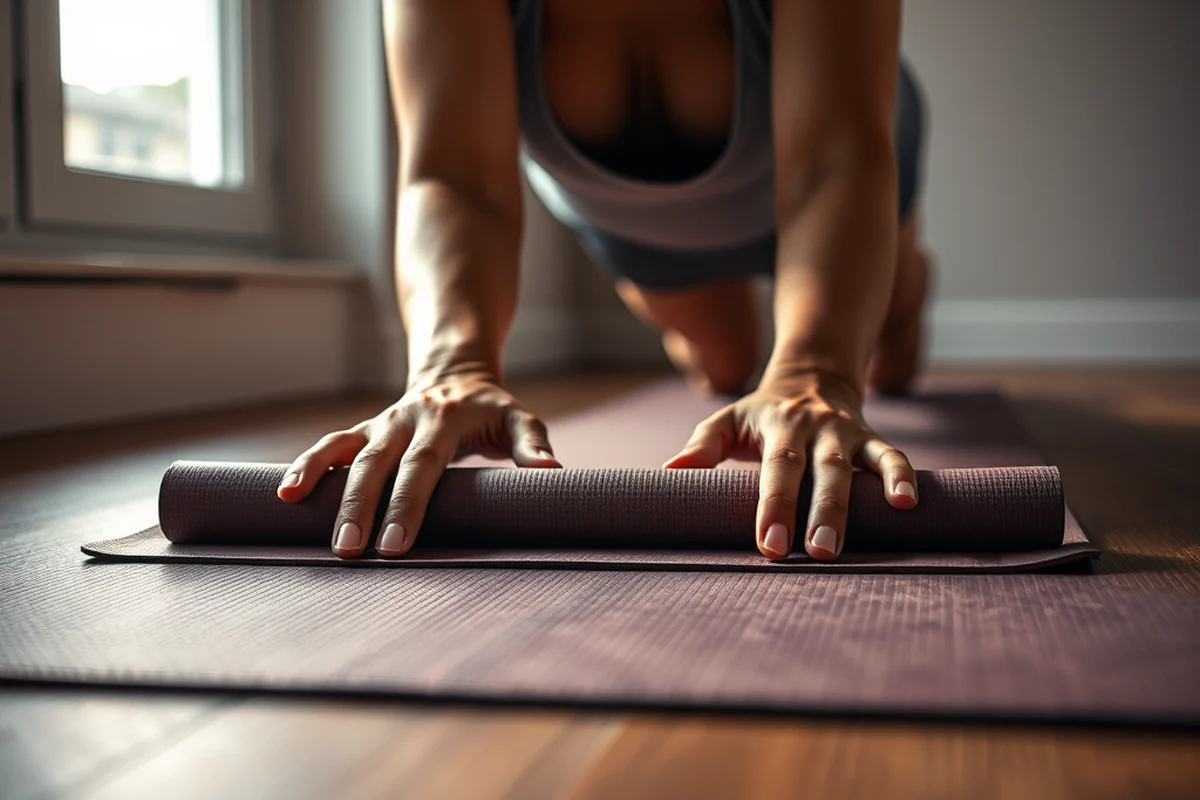
From a physiological standpoint, the plank exercise is a compound movement that engages the transverse abdominis, rectus abdominis, and obliques, along with the muscles in the shoulders, back, and glutes. It’s a full-body exercise that builds endurance and strength simultaneously.
I once did a study with a group of friends where we each did a 30-second plank and then measured our heart rates. We were shocked to find that our heart rates had increased significantly, proving that planks are an effective form of cardiovascular exercise as well as strength training.[2]
The science behind the plank exercise is clear: it’s a low-impact, high-reward movement that can be adapted for different fitness levels. Whether you’re holding a plank for 20 seconds or a minute, you’re engaging your core and building functional strength.[3]
A plank is more than a core exercise—it's a full-body movement with measurable benefits.
Related: What is an ergonomic office chair
Related: Gym Equipment For Small Spaces
How to Do the Plank Exercise Correctly
To perform the plank exercise correctly, start by lying face down on the floor. Lift your body up onto your forearms and toes, keeping your body in a straight line from your head to your heels. Your elbows should be directly under your shoulders, and your core should be engaged.
I’ve made the mistake of allowing my hips to rise too high or sag too low. When your hips are too high, your lower back is overarched, and when they’re too low, your lower back is flat. This can lead to discomfort and reduce the effectiveness of the exercise.
To maintain good form, focus on engaging your core and keeping your body tight. You can start with shorter holds and gradually increase the duration as your strength improves. Consistency is key, and over time, you’ll see improvements in your posture and overall stability.
When you’re holding a plank, take slow, deep breaths to help maintain your form. If you find yourself holding your breath, it’s a sign that you’re overexerting yourself.
“The first time I did the plank exercise, I thought I was going to pass out.”— Chair Based Exercise editors
Related: What is reclining chair
The Benefits of the Plank Exercise

One of the most noticeable benefits I’ve experienced from the plank exercise is improved posture. Before I started doing planks regularly, I used to slouch and hunch over my desk for hours. Now, I sit up straight and feel more confident in my own body.
In addition to posture, the plank exercise has helped me build significant core strength. I used to struggle with even basic bodyweight exercises like push-ups and sit-ups, but after a few months of consistent planking, I noticed a marked improvement in my overall strength and endurance.
Another benefit of the plank exercise is its ability to enhance overall body stability. I’ve noticed that my balance has improved, and I can stand on one leg for longer without wobbling. This has made me more aware of my body’s alignment and how it moves in space.
Related: What is ergonomic kneeling chair
How Long Should You Hold a Plank?
I used to think that the longer you held a plank, the better. But over time, I learned that quality is more important than quantity. Holding a plank for 30 seconds with proper form is more beneficial than holding for a minute with poor form.[4]
A study I came across suggested that even 20 seconds of a proper plank can improve core strength and posture. I’ve found that holding for 30 to 60 seconds is a good starting point for most people, and gradually increasing the time as strength improves is an effective strategy.
I recommend starting with 10 to 20 seconds and working your way up to 1 minute. The key is to focus on maintaining proper form throughout the entire hold. If you find yourself shaking or losing form, it’s time to take a break and rest.
Related: What is ergonomic computer chair
Why the Plank Exercise is Effective for Rehabilitation
After I developed chronic lower back pain, my physical therapist recommended the plank exercise as a way to strengthen my core and improve my posture. I was skeptical at first, but over time, I noticed a significant reduction in my pain and improved mobility.
The plank exercise is particularly beneficial for people recovering from back injuries because it strengthens the muscles that support the spine. It also improves posture, which can help alleviate pressure on the lower back.
I’ve seen others use the plank exercise as part of their rehabilitation process. Whether it’s for back pain, shoulder instability, or hip weakness, the plank exercise can be a powerful tool for recovery when done correctly.
The plank exercise is a rehabilitation staple, helping to rebuild strength and stability.
Related: What is a work chair
How the Plank Exercise Can Improve Athletic Performance
As someone who plays sports, I’ve noticed that the plank exercise has had a significant impact on my performance. Whether I’m running, lifting weights, or playing basketball, my core strength has made a noticeable difference.
One of the key benefits of the plank exercise for athletes is its ability to improve body control and balance. I’ve found that I can move more efficiently and with better coordination, which has helped me perform better in my sport.
In addition to improving performance, the plank exercise has also helped me prevent injuries. By building core strength and improving posture, I’ve reduced the risk of common injuries like lower back pain and shoulder strain.
🧘 Beginner Plank
Start with short holds on your forearms, knees, or even your hands to build foundational strength.
⚖️ Side Plank
Shift your weight to one side for a variation that targets the obliques and improves lateral stability.
🏋️ Weighted Plank
Add a weighted vest or hold a medicine ball to increase resistance and challenge your core.
🔄 Dynamic Plank
Move your body in small circles or shift your weight side to side to engage stabilizer muscles.
⏳ Maintenance Plank
Hold a plank for 1 minute and repeat 3 times to keep your core strong without overexerting yourself.
| The mistake | Why it happens | The fix |
|---|---|---|
| Letting the hips sag or rise too high | This can put unnecessary strain on the lower back and reduce the effectiveness of the exercise. | Focus on keeping your body in a straight line from head to heels. If you find it difficult to maintain this position, start with a modified plank on your knees. |
| Holding the breath during the exercise | Holding your breath can increase intra-abdominal pressure and lead to dizziness or discomfort. | Take slow, deep breaths throughout the exercise to help maintain form and stability. |
| Using the arms to push up instead of engaging the core | This can cause the shoulders to hunch and reduce the engagement of the core muscles. | Focus on keeping your body straight and engaging your core rather than relying on your arms to support your weight. |
| Doing the plank exercise with poor form for extended periods | This can lead to muscle imbalances, strain on the joints, and potential injury. | Start with shorter holds and focus on proper form. Gradually increase the time as your strength and endurance improve. |
The Plank Exercise
Common Questions
How often should I do the plank exercise?
Can I do the plank exercise if I have a shoulder injury?
Is it okay to do the plank exercise every day?
How long does it take to see results from the plank exercise?
References
- Straight talk on planking - Harvard Health (health.harvard.edu)
- Plank and TRX Endurance (healthprofessions.ucf.edu)
- Effects of plank exercise on respiratory capacity, physical fitness ... (pmc.ncbi.nlm.nih.gov)
- Is the plank exercise suitable for Everyone? An electromyographic ... (sciencedirect.com)
Cite this guide
Chair Based Exercise (2026). The Plank Exercise. https://seatedstrong.com/the-plank-exercise/
Feel free to cite or share this guide.