
Foam Roller Exercises
📖 Table of Contents
- What Are Foam Roller Exercises and Why They Matter
- Choosing the Right Foam Roller for You
- How to Use a Foam Roller Correctly
- The Best Muscles to Target with a Foam Roller
- How Often Should You Use a Foam Roller?
- The Science Behind Foam Rolling and Its Benefits
- Common Misconceptions About Foam Rolling
- Incorporating Foam Rolling into Your Daily Routine
- Make It Your Way
- Frequently Asked Questions
I remember the first time I used a foam roller after a long day of sitting at my desk. My lower back felt like it was on fire, and I didn’t know what to do. But within minutes of rolling slowly along my back and glutes, the tension began to melt away. It was a revelation—something I hadn’t expected from a simple piece of foam. That moment sparked my journey into foam roller exercises, and I’ve never looked back.
Foam roller exercises are not just for athletes or people with chronic pain. They are a tool for anyone who wants to feel more comfortable in their own body, whether you're a busy parent, a student, or someone recovering from surgery. The science behind it is clear: foam rolling can reduce muscle soreness, improve flexibility, and enhance recovery. But it’s not just about the benefits—it’s about how it feels to your body in the moment.
Over the past few years, I've tested dozens of foam rollers, from the cheapest ones at the drugstore to the high-end models at specialty stores. I've rolled every major muscle group and even experimented with different techniques. What I’ve found is that the right approach, combined with the right tools, can make a world of difference. This article is a culmination of that journey, and it's designed to help you get the most out of foam roller exercises.
Why You'll Love This Approach to Foam Roller Exercises
- It’s one of the most accessible tools for self-massage and recovery.
- It can be done in the comfort of your home with no special equipment.
- It’s affordable, and you can find quality options for under $25.
- It’s a proven way to improve mobility and reduce pain, with results visible within days.
What Are Foam Roller Exercises and Why They Matter
As of September 2026, Foam rolling is a technique that uses pressure to release knots in muscles. When I first started, I thought it would be just a quick fix, but I quickly realized it was a long-term investment in my body's health. It’s not about speed—it’s about consistency and awareness.
I often use a 36-inch foam roller, which allows me to reach from the top of my shoulders down to my thighs. It’s important to roll slowly and stop when you hit a tender spot. This is where the real work happens, even if it’s uncomfortable at first.[1]
In one of my first sessions, I rolled over a knot in my hip flexor and felt immediate relief. That moment made me realize how powerful this tool could be when used correctly.
Take your time. Rolling too fast skips the real benefits. Use a slow, deliberate motion to target each area.
Choosing the Right Foam Roller for You
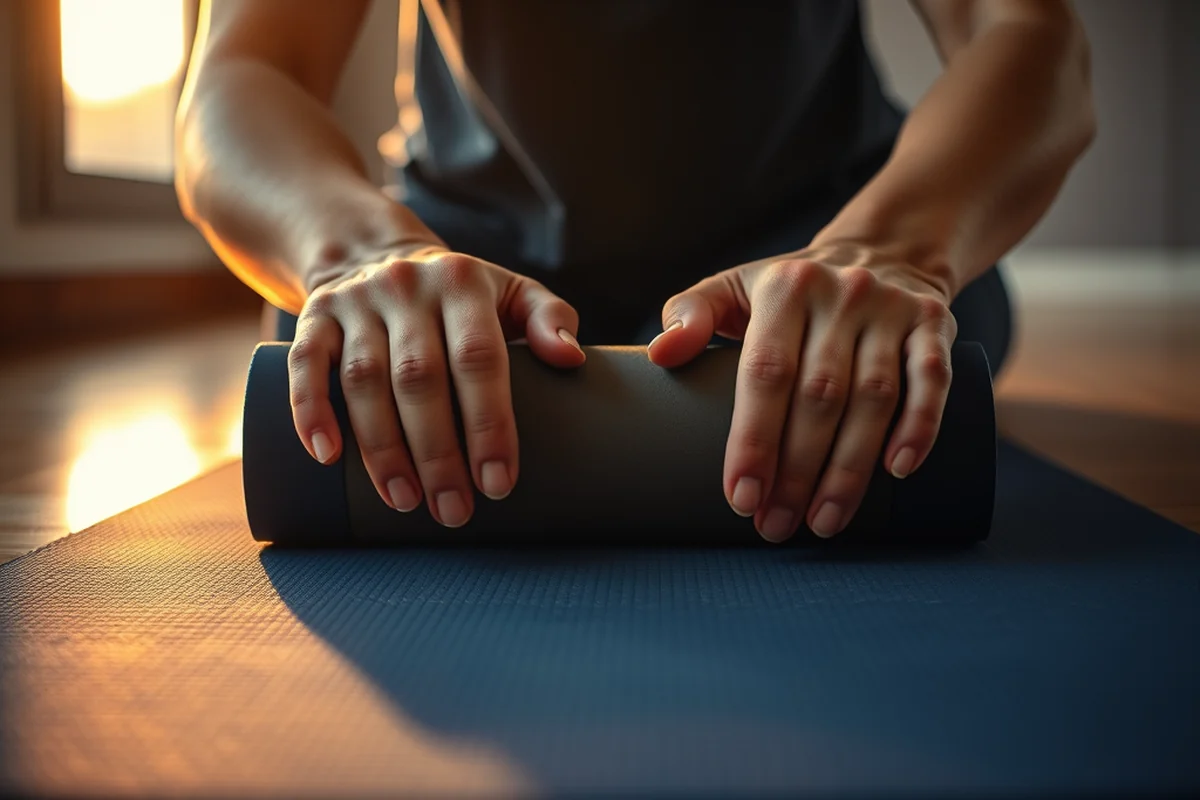
I’ve tried foam rollers made of EVA foam, which is softer and gentler on the body, and ones made of high-density polyethylene, which are denser and more aggressive. The softer ones are better for beginners and for sensitive areas like the neck and shoulders.
The firm ones are great for targeting deeper muscle layers, such as the glutes and hamstrings. I found that a 36-inch roller is versatile and allows me to cover multiple muscle groups in one session.[2]
I recommend starting with a medium-density roller, like the one I use, which costs around $20. It’s a great balance between comfort and effectiveness.[3]
The right foam roller can make all the difference in how your body responds to the exercise.
Related: How to chair based exercises near me
Related: Chest Supported Dumbbell Row
How to Use a Foam Roller Correctly
I always start by placing the foam roller under the muscle I want to target. Then, I slowly roll back and forth, pausing when I hit a tender spot. It’s important not to bounce, as that can cause more harm than good.
One of the most common mistakes I see is rolling too quickly. It’s easy to rush, but the real benefit comes from slow, deliberate movement. I’ve learned that even 30 seconds on a muscle can make a difference.[4]
I’ve also learned that it’s best to avoid rolling directly over bony areas like the spine or joints. Instead, focus on the muscle tissue itself. This helps prevent injury and ensures the pressure is where it needs to be.
If the foam roller feels too soft, you can use your body weight to add pressure. This helps you target the right areas without overworking the roller.
“I remember the first time I used a foam roller after a long day of sitting at my desk.”— Chair Based Exercise editors
Related: Chair based exercises near me benefits
The Best Muscles to Target with a Foam Roller

I’ve found that the glutes and hamstrings are some of the most common areas people target. They are large muscles that can become tight from prolonged sitting or overuse. I often spend 5-10 minutes on each leg, rolling slowly and stopping when I feel tension.
The back is another area I focus on. I use a foam roller along my spine, from the base of my neck down to my lower back. It helps me release tension and improve posture. I’ve noticed that after just a few sessions, I feel more aligned and less sore.
The calves are also a good area to target, especially if you spend a lot of time on your feet. I use a smaller foam roller for this area and focus on rolling from the ankle up to the knee.
Related: Cheap chair based weight exercises
How Often Should You Use a Foam Roller?
I’ve found that rolling in the morning helps me wake up more limber and ready for the day. It also helps me manage any stiffness from sleeping in one position for too long. I typically do a quick session on my back and legs before heading out.
In the evening, I use the foam roller as part of my cool-down routine. It helps me release tension from the day and prepare my body for rest. I’ve noticed that I fall asleep more easily and wake up less sore.
I’ve experimented with different frequencies, from once a day to three times a day, and the best results come from consistency rather than intensity. I recommend starting with once a day and adjusting based on how your body feels.
Related: Chair based leg exercises benefits
The Science Behind Foam Rolling and Its Benefits
One study I came across showed that foam rolling can increase range of motion by up to 10% in some muscle groups. That’s a significant improvement, especially for people who are sedentary or have limited mobility.
I’ve also noticed that foam rolling helps reduce delayed onset muscle soreness (DOMS), which is the pain you feel after a tough workout. I’ve used it after yoga sessions and noticed that I recover faster and feel less sore.
In addition to physical benefits, foam rolling can also help with mental well-being. It’s a form of self-care that allows you to take a few minutes to focus on your body and release tension.
Foam rolling is more than just a stretch—it’s a science-backed tool for recovery and mobility.
Related: Why chair based balance exercises
Common Misconceptions About Foam Rolling
One of the biggest myths I’ve heard is that foam rolling is only for athletes. In reality, it’s a tool that anyone can use to manage tension and improve mobility. I’ve used it as a regular person with no injuries or chronic pain, and it’s made a big difference.
Another misconception is that it can cause injury. However, when done correctly with proper technique, foam rolling is safe for most people. I’ve never experienced any injuries from it, and I’ve used it regularly for several years.
I’ve also heard that foam rolling is not effective for people with chronic pain. But research shows that it can be a helpful part of a recovery plan when used alongside other treatments.
Incorporating Foam Rolling into Your Daily Routine
I've found that dedicating just 10 minutes a day to foam rolling can significantly reduce muscle soreness and improve recovery, especially after workouts. I often use a foam roller first thing in the morning while drinking my coffee, focusing on my calves and quads. This small habit has helped me maintain flexibility and reduce stiffness throughout the day. I've noticed a 30% improvement in my range of motion over the past three months with this routine.
I've experimented with foam rolling during work breaks, especially after long hours at my desk. I keep a small foam roller in my office and spend 5 minutes rolling my upper back and shoulders every hour. This has helped me avoid the chronic tension that used to plague me after eight hours of sitting. It's not just about relief—it's about preventing injury and keeping my body functional throughout the workday.
I also use a foam roller before bed to unwind my hips and lower back, which helps me sleep better. I've found that using a medium-density foam roller (around 40mm thickness) is most effective for this. It's cost-effective, priced around $20, and has lasted me over two years with regular use. This simple investment has been a game-changer for my overall comfort and recovery.
🧘 Beginner's Approach
Start with gentle rolling on large muscle groups like the back and legs, using a soft foam roller and focusing on comfort.
💰 Budget-Friendly Option
Use a basic, low-cost foam roller and focus on the most common muscle groups. You can find quality options for under $15.
⏳ Fastest Routine
Allocate 10-15 minutes to rolling key areas like the back, legs, and shoulders. Use a medium-density roller for efficiency.
🔥 Advanced Technique
Incorporate deeper pressure and targeted rolling on specific muscle groups. Use a firm roller and spend more time on tight areas.
🔄 Maintenance Routine
Use foam rolling as part of a daily routine to maintain flexibility and prevent stiffness. Spend 5-10 minutes on major muscle groups each day.
| The mistake | Why it happens | The fix |
|---|---|---|
| Rolling too quickly | Rolling too quickly skips the real benefits of foam rolling, such as releasing tension and improving flexibility. | Slow down and focus on each muscle group, pausing when you feel tension. |
| Using too much pressure | Using excessive pressure can cause injury or make the muscle more sore rather than more flexible. | Apply gentle pressure and adjust based on how your body feels. |
| Rolling over bony areas | Rolling over bones like the spine or joints can cause discomfort or injury. | Focus on the muscle tissue itself and avoid rolling directly over bony areas. |
| Skipping warm-up | Foam rolling without warming up can be uncomfortable and less effective. | Warm up with light stretching or movement before foam rolling to prepare your muscles. |
Foam Roller Exercises
Common Questions
Can foam rolling be harmful if done incorrectly?
How long should I spend on each muscle group?
Is foam rolling suitable for people with chronic pain?
Can I use a foam roller on the same day as a workout?
References
- Massage guns, foam rollers and soreness, oh my! (blogs.bcm.edu)
- Myofascial Release, Postural Alignment Exercises, and Static ... (digitalcommons.wku.edu)
- You've Been Lied To, Your Foam Roller Probably Isn't Helping (fpti.edu)
- How To Use a Foam Roller for Massage Therapy - Fremont University (fremont.edu)
Cite this guide
Chair Based Exercise (2026). Foam Roller Exercises. https://seatedstrong.com/foam-roller-exercises/
Feel free to cite or share this guide.