
What Is Chair Yoga For Beginners
📖 Table of Contents
- What Exactly Is Chair Yoga and How Does It Work?
- The Benefits of Chair Yoga for Beginners
- Getting Started: Your First Chair Yoga Session
- How to Choose the Right Chair for Chair Yoga
- How Chair Yoga Can Improve Your Balance and Strength
- The Role of Breathing in Chair Yoga
- How to Stay Motivated and Consistent with Chair Yoga
- Make It Your Way
- Frequently Asked Questions
I remember the first time I sat down for a chair yoga session. My legs were shaky, my back felt like it had been through a war, and I wasn’t sure if I’d be able to hold the pose for more than 30 seconds. But as I settled into the chair, the tension in my body began to ease. I was trying chair yoga for beginners, and it felt like a revelation. It wasn’t about flexibility or balance, but about finding comfort in stillness and movement. That day, I realized chair yoga isn’t just for the elderly or the inflexible — it’s for anyone who wants to move better, feel more connected to their body. Take a step toward a more active life.[1]
What is chair yoga for beginners? It's a gentle, accessible practice that uses a chair as a prop to support the body through poses that promote strength, balance, and flexibility. I’ve tried so many yoga styles over the years. Chair yoga was the one that made me feel seen — not as someone who had to be perfect, but as someone who could start exactly where I was. It taught me that movement doesn’t have to be rigid, and that even a chair can be a powerful tool in helping you reconnect with your body and its needs.[2]
If you’ve ever been told that yoga is too intense or too hard for you, chair yoga is your answer. It’s a low-impact, high-impact practice — high in benefits, low in strain. I’ve seen people in their 60s, 70s, and even 80s practice chair yoga with ease, and it was inspiring. There’s a reason chair yoga is becoming a go-to for people who want to stay active without putting their joints at risk. It’s not about how far you can bend or how long you can hold a pose — it’s about how well you can move with your breath, your body, and your intention.
Why You'll Love This Gentle Practice
- It requires no special equipment — just a chair and your body.
- It’s perfect for people with joint pain, limited mobility, or chronic conditions.
- It builds strength, balance, and flexibility without overexertion.
- It can be done in as little as 15 minutes, right in your living room.
What Exactly Is Chair Yoga and How Does It Work?
As of October 2026, Chair yoga doesn’t require you to be flexible or have any prior experience. You can use the chair to assist you in poses that would otherwise be difficult or uncomfortable. I remember my first time trying a forward fold with the chair — I could barely touch my toes, but the chair helped me lower gently and hold the pose without pain or strain.[3]
The key to chair yoga is using the chair as a stabilizer. Whether you're bending forward, stretching your arms overhead, or trying to find balance in a seated pose, the chair supports your body and helps you move safely. I’ve found that even the most basic chair yoga routines can feel deeply restorative, especially when combined with deep breathing.
I’ve taken chair yoga classes in community centers, senior living facilities, and even in hospitals. It’s not just about movement — it’s about connection. I’ve seen people who couldn’t stand for more than a minute begin to build strength and confidence in just a few weeks.
When practicing chair yoga, think of the chair as a partner. It supports you, but it doesn’t replace your effort. Use it to help you find balance, but also try to engage your core and legs as much as possible.
The Benefits of Chair Yoga for Beginners
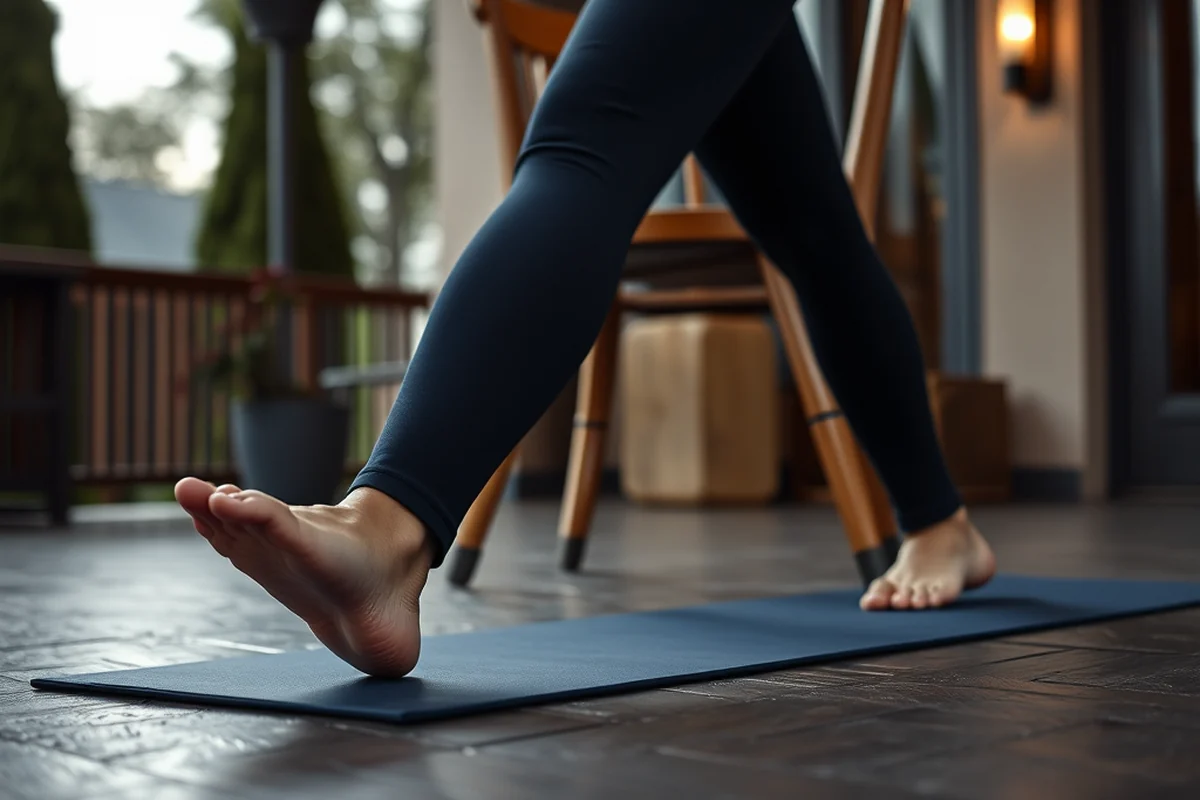
I’ve noticed that after a chair yoga session, I feel more grounded and present. It’s not the same as a high-intensity workout, but it helps me reconnect with my body in a way that’s both calming and empowering. One of the best things about chair yoga is that it’s low-impact, making it ideal for people with joint pain or chronic conditions.
I’ve also noticed that chair yoga helps with posture. I used to slouch in my chair all day, but after a few weeks of practicing chair yoga, I found myself sitting taller and standing straighter. It’s a subtle change, but it makes a big difference in how I feel throughout the day.
Many people say chair yoga helps them manage stress and anxiety. I’ve had moments where I felt so relaxed during a chair yoga session that I forgot about the day’s problems. It’s a simple, accessible way to take a few minutes for yourself and breathe deeply without any pressure or expectation.
Chair yoga is like a warm hug for your body — gentle, but powerful.
Related: Affordable chair based back exercises
Getting Started: Your First Chair Yoga Session
I always begin with a quiet space, free from distractions. I use a firm chair — my living room chair is fine, but I’ve found that a chair with a little more cushion gives me more support. I also take a few minutes to center myself and breathe deeply before beginning.
One of the first poses I learned was the seated mountain pose. It sounds simple, but it’s actually a great way to practice mindfulness and alignment. I focus on my breath, my posture, and the feeling of my feet on the floor — even when I’m sitting. It helps me ground myself and set the tone for the session.
I usually start with a few minutes of deep breathing, then move into a few basic poses. It’s important to move slowly and listen to your body. I’ve learned that pushing too hard or holding a pose too long can be counterproductive. It’s about comfort, not perfection.
Don’t feel the need to do every pose at once. Focus on a few key poses and repeat them. It’s better to practice a few poses with attention than to rush through them all.
“I remember the first time I sat down for a chair yoga session.”— Chair Based Exercise editors
Related: Affordable chair based resistance exercises
How to Choose the Right Chair for Chair Yoga
I used to practice on a soft, cushioned chair, and while it was comfortable, it wasn’t the best for balance or support. I switched to a firmer chair — one with a backrest and a stable base — and immediately noticed a difference. It helped me find better alignment and feel more secure in my poses.
If you don’t have a dedicated chair for yoga, you can use a regular chair, but make sure it’s sturdy and has a flat seat. I’ve also tried using a meditation cushion on top of my chair for added comfort. It’s a small change, but it makes a big difference in how I feel during my practice.
I’ve read that some chairs, especially those with a swivel base, aren’t ideal for chair yoga. They can make it harder to balance and may even cause strain on your joints. I’ve found that a chair with four legs and a solid frame is the best for stability and comfort.
Related: Best ergonomic office chairs
How Chair Yoga Can Improve Your Balance and Strength
I used to be someone who had trouble standing on one leg, but after a few weeks of chair yoga, I found that my balance had improved. I started with simple poses like the seated twist and the seated forward fold, and over time, I found that I could hold a pose for longer without wobbling.
One of the best ways to build strength is through seated leg lifts. I’ve done this pose for a few minutes each session and noticed that my legs feel stronger and more toned. It’s a great way to work your core, legs, and glutes without putting too much pressure on your joints.
I’ve also noticed that chair yoga helps with coordination. I used to have trouble with my hands and feet not moving in sync. Now I can do simple movements like reaching forward or shifting my weight from one side to the other with more ease.
Related: Affordable chair based exercises for elderly pdf
The Role of Breathing in Chair Yoga
I used to rush through my chair yoga sessions, focusing more on the physical poses than on my breath. But once I started paying attention to my breathing, I noticed a huge difference. It’s like the breath is the bridge between the body and the mind — when you focus on it, everything else falls into place.
One of the simplest techniques I’ve learned is the 4-7-8 breathing method. It helps me slow down my breath and find more stillness. I’ve used this technique before a chair yoga session and found that it helps me stay present and focused.
I’ve also noticed that breathing can help me hold poses longer. When I focus on my breath, I feel more relaxed and less tense. It’s like the breath is a reminder to move with grace and intention, not force or urgency.
Your breath is your anchor — let it guide you through each pose.
Related: Affordable chair based exercises pdf
How to Stay Motivated and Consistent with Chair Yoga
I used to practice chair yoga only when I felt like it, but I quickly realized that inconsistency was holding me back. I started setting a specific time each day for my practice, and over time, it became a habit I looked forward to. It’s amazing how much difference a little routine can make.
One of the things that kept me motivated was tracking my progress. I started a simple journal where I noted how I felt before and after each session. Over time, I noticed that my posture had improved, my balance had gotten better, and I felt more confident in my body.
I also found that practicing with others helped. Whether it was a local class or a video call with a friend, having a sense of community kept me going. It reminded me that I wasn’t alone in this journey — and that made all the difference.
🧘 Beginner’s Approach
Start with simple seated poses and focus on breathing and posture — perfect for those new to yoga.
💰 Budget-Friendly
Use a regular chair and follow free online videos — no need for expensive equipment or classes.
⏱ Fastest Way
Complete a 10-minute chair yoga session in the morning to kickstart your day with movement and mindfulness.
🔥 Advanced Practice
Incorporate dynamic flows and more complex poses, using the chair as a prop for deeper stretches and strength.
🔄 Maintenance Routine
Keep your body limber and balanced with a weekly chair yoga session that focuses on flexibility and core strength.
| The mistake | Why it happens | The fix |
|---|---|---|
| Using a wobbly or unstable chair. | This can cause strain on your joints and make it harder to maintain balance. | Choose a sturdy chair with a flat seat and a stable base to ensure proper support and safety. |
| Rushing through the poses. | Chair yoga is about slow, mindful movement. Rushing can lead to tension or injury. | Take your time with each pose. Focus on your breath and move with intention rather than speed. |
| Ignoring your body’s limits. | Pushing too hard can lead to discomfort or injury, especially if you’re new to the practice. | Listen to your body. If a pose feels painful or uncomfortable, modify it or skip it altogether. |
| Holding poses for too long. | Chair yoga is not about endurance — it’s about comfort and balance. Holding poses for too long can cause stiffness or fatigue. | Focus on the quality of each pose rather than the duration. Hold each pose just long enough to feel the stretch or benefit. |
What Is Chair Yoga For Beginners
Common Questions
Can I do chair yoga if I have a knee injury?
How long should I practice chair yoga each day?
Do I need a special chair for chair yoga?
Can I do chair yoga at home without any equipment?
References
- seniors w - AlexandriaVA.Gov (alexandriava.gov)
- Broome County Office for Aging (broomecountyny.gov)
- Live Whole Health #170: Chair yoga for the heart - VA News (news.va.gov)
Cite this guide
Chair Based Exercise (2026). What Is Chair Yoga For Beginners. https://seatedstrong.com/what-is-chair-yoga-for-beginners/
Feel free to cite or share this guide.