
Types Of Chair Based Fitness
📖 Table of Contents
- Seated Yoga: Finding Balance and Flexibility
- Chair-Based Strength Training: Building Power Without Weights
- Chair-Based Cardio: Getting the Heart Pumping
- Seated Tai Chi: Moving with Grace and Control
- Chair-Based Core Workouts: Strengthening the Center
- Chair-Based Balance Training: Staying Steady and Strong
- Chair-Based Mindfulness Movements: Integrating Body and Mind
- Make It Your Way
- Frequently Asked Questions
The first time I sat down for a chair-based workout, I was skeptical. I had always associated fitness with intense cardio or heavy lifting, but I was confined to my home recovering from surgery. My first chair-based session was a revelation. I remember the way my muscles felt after doing just 10 minutes of seated leg lifts — a subtle burn, a sense of control, and a small but undeniable sense of accomplishment. That moment marked the beginning of my journey into chair-based fitness. Turned out to be one of the most accessible and effective ways to maintain mobility and strength, even for people with limited space or physical capacity.[1]
Chair-based fitness is not just for the elderly or the injured. It’s a versatile, low-impact form of movement that anyone can adapt to, regardless of their age or ability. I’ve watched my 70-year-old father perform chair-based resistance exercises daily and still see the same energy and focus I had when I was younger. It’s also been a game-changer for my 12-year-old niece, who uses it to stay active during her school breaks. The beauty of chair-based fitness is that it doesn’t require a gym, expensive equipment, or a lot of space — all you need is a sturdy chair and a willingness to move.[2]
In the past year, I’ve explored numerous types of chair-based fitness, from seated yoga to resistance training. Some days, I do seated tai chi; other days, I focus on upper-body strength using resistance bands. It’s been surprising how much variety and depth this form of exercise can offer. Whether you’re looking to improve your posture, increase your stamina, or simply stay active, chair-based fitness can fit into your life in a way that feels natural and sustainable. And that’s why I want to share the different types of chair-based fitness here — so you can find the one that works best for you.
Why You'll Love This Approach to Chair-Based Fitness
- Accessible for all ages and abilities — no gym membership required.
- Improves posture, flexibility, and muscle tone without strain.
- Can be done anywhere — home, office, or even on a plane.
- Builds confidence and mental clarity through consistent practice.
Seated Yoga: Finding Balance and Flexibility
As of August 2026, Seated yoga is one of the first types of chair-based fitness I explored. It’s a low-impact practice that focuses on stretching and breathing, using the chair as support. I started with simple poses like seated forward folds and seated spinal twists. These movements not only helped me feel more flexible but also created a sense of calm and focus that I hadn’t experienced in a while. The chair acts as a prop, allowing you to maintain balance and alignment while you stretch.[3]
One of the things I love about seated yoga is that it’s incredibly accessible. I can do it anywhere — in my living room, at my desk, or even while waiting in the doctor’s office. It requires no equipment beyond a mat or a towel, and it can be done in as little as 10 minutes. The best part is the way it makes me feel after each session: more relaxed, more present, and more aware of my body’s needs.[4]
I’ve noticed a significant improvement in my posture since I began practicing seated yoga regularly. Before, I used to slouch at my desk for hours, but now I sit up straight with ease. I also feel more flexible in my upper body, which has helped me avoid the stiffness I used to feel after long days of sitting. It’s a small change, but it’s made a big difference in how I move and carry myself throughout the day.
Place a small cushion under your hips for added comfort during seated stretches. It helps reduce pressure and allows for deeper stretches.
Chair-Based Strength Training: Building Power Without Weights
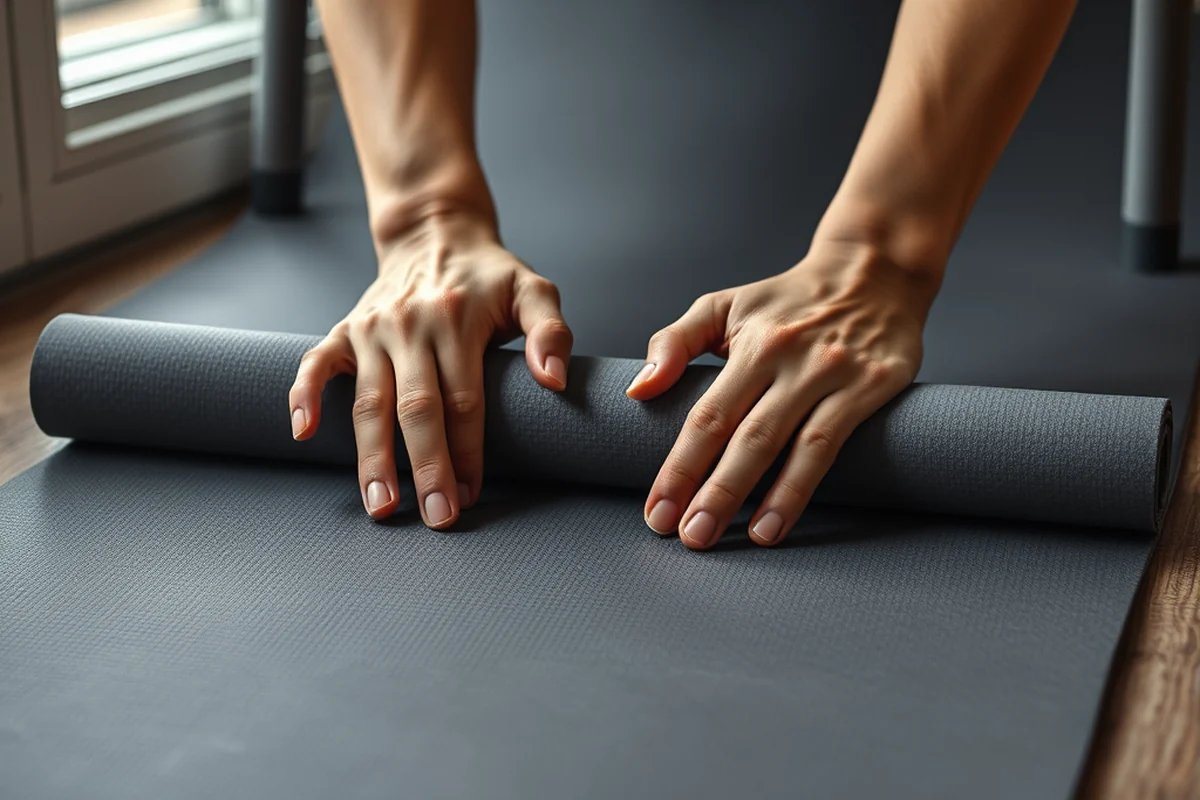
Chair-based strength training is another type of chair-based fitness that I’ve grown fond of. It’s all about using your bodyweight and the chair as resistance. I started with simple exercises like seated bicep curls and chair dips, which I did using the back of my chair. These exercises helped me build upper-body strength without the need for weights or a gym.
One of the key benefits of chair-based strength training is that it targets multiple muscle groups at once. For example, when I do seated squats, I engage my legs, core, and even my upper body to keep balance. It’s surprising how much effort it takes to maintain balance while doing these exercises, which makes them more effective than I expected. I also noticed that after doing chair dips, my arms felt stronger and more defined.
I’ve been doing chair-based strength training for six months now, and I’ve seen a noticeable difference in my posture and overall strength. My muscles feel more toned, and I have more energy throughout the day. It’s not just about looking good — it’s about feeling strong and capable. And that’s something I didn’t think was possible without a gym.
Strength isn’t just for the young — it’s for anyone willing to move.
Related: Chair based exercises uk
Related: Chair based fitness at home
Related: Chair based exercises pdf troubleshooting
Related: Chair based exercises uk vs
Related: Why chair based fitness
Related: What Is Chair One Fitness
Chair-Based Cardio: Getting the Heart Pumping
Chair-based cardio is a type of chair-based fitness that I didn’t expect to enjoy as much as I did. It’s all about moving your body while sitting, using your legs, arms, and torso to create a rhythm. I started with seated leg lifts, which I do while holding onto the back of my chair. These exercises not only helped me burn calories but also gave me a light workout that left me feeling energized.
One of the things I love about chair-based cardio is that it’s low-impact and easy on the joints. I used to worry that my knees would give out during traditional cardio exercises, but with chair-based cardio, I can move without fear of injury. I’ve been doing seated marching in place, which is a simple way to get my heart rate up and my legs moving. It’s surprising how much of a workout it is, even though I’m sitting the whole time.
After just a few weeks of chair-based cardio, I noticed that I could handle longer walks without getting winded. My stamina improved, and I felt more confident in my ability to move throughout the day. It’s not the same as a full run, but it’s a great way to stay active and maintain heart health without putting stress on my joints.
Set a timer for 5-10 minutes and focus on moving continuously. This helps build endurance and ensures you don’t stop too early.[5]
“The first time I sat down for a chair-based workout, I was skeptical.”— Chair Based Exercise editors
Seated Tai Chi: Moving with Grace and Control

Seated tai chi is a type of chair-based fitness that I discovered through a friend who practices it daily. It’s a meditative form of movement that focuses on slow, deliberate motions. I started by watching online videos and then tried it myself, using my chair as a support. It was a completely different experience than any other type of chair-based fitness I’d tried before.
What I love most about seated tai chi is the way it makes me feel. It’s like moving in a slow dance with my own body, focusing on each breath and each movement. I start with simple motions like raising my arms and then lowering them slowly, all while keeping my chair as a stable point. It’s not just about the physical movement — it’s about the mental focus and presence it brings.
After a few weeks of practicing seated tai chi, I noticed that I had better balance and a greater sense of calm. I used to get anxious about standing up after long periods of sitting, but now I feel more grounded and centered. It’s a form of movement that doesn’t just improve my physical health — it also helps me feel more in control of my life.
Chair-Based Core Workouts: Strengthening the Center
Chair-based core workouts are a type of chair-based fitness that I’ve found incredibly effective for improving my posture and core strength. I started with seated crunches, which I do by holding the back of my chair and lifting my chest toward my knees. It’s a simple exercise, but it’s made a noticeable difference in how I sit and move throughout the day.
One of the things I love about chair-based core workouts is that they’re easy on the back. I used to struggle with traditional sit-ups, which would leave me sore and uncomfortable. But with chair-based core workouts, I can focus on engaging my core without putting strain on my lower back. I’ve also been doing seated twists, which help me rotate my torso while keeping my body stable.
After a few weeks of chair-based core workouts, I noticed that my posture had improved significantly. I used to hunch over my desk, but now I sit up straight with ease. My core feels stronger, and I feel more confident in my ability to move without relying on my back for support. It’s a small change, but it’s made a big difference in how I carry myself throughout the day.
Chair-Based Balance Training: Staying Steady and Strong
Chair-based balance training is a type of chair-based fitness that I didn’t expect to enjoy as much as I did. It’s all about improving stability and reducing the risk of falls, which is especially important as we age. I started by practicing standing up and sitting down slowly from my chair, focusing on engaging my core and using my legs for support.
What I love about chair-based balance training is that it’s simple and effective. I don’t need any special equipment — just a chair and a willingness to move. I’ve also been practicing heel-to-toe walking while holding onto the back of my chair, which helps me improve my coordination and balance. It’s surprising how much this simple exercise has helped me feel more confident on my feet.
After just a few weeks of chair-based balance training, I noticed that I was more stable on my feet and less likely to stumble. I used to be afraid of walking on uneven surfaces, but now I feel more grounded and in control. It’s a small change, but it’s made a big difference in how I move and carry myself throughout the day.
Balance is the foundation of all movement — don’t take it for granted.
Chair-Based Mindfulness Movements: Integrating Body and Mind
Chair-based mindfulness movements are a type of chair-based fitness that I’ve found to be incredibly beneficial for my mental and emotional well-being. It’s all about combining physical movement with mental focus, creating a sense of calm and presence. I start by sitting in a comfortable position and taking a few deep breaths, allowing my body to relax.
What I love most about chair-based mindfulness movements is the way they help me feel more connected to my body. I’ve been practicing simple exercises like seated breathing and gentle arm circles, which help me release tension and focus on the present moment. These movements are not about pushing my body to its limits — they’re about being kind and patient with myself.
After just a few weeks of chair-based mindfulness movements, I noticed that I was more relaxed and present in my daily life. I used to feel stressed and overwhelmed, but now I take a few minutes each day to sit, breathe, and move with intention. It’s a small change, but it’s made a big difference in how I feel about myself and my life.
🧘 Beginner
Focus on simple, low-impact movements to build strength and flexibility without overexertion.
🪑 Budget
Use a chair and bodyweight to create a full workout without any additional equipment.
⏱️ Fastest
Quick, high-intensity chair-based workouts that can be done in under 15 minutes.
🔥 Advanced
Incorporate resistance bands and complex movements to challenge your body and increase intensity.
⚖️ Maintenance
Low-impact, consistent chair-based workouts that help you maintain fitness without overtraining.
| The mistake | Why it happens | The fix |
|---|---|---|
| Using a weak or unstable chair | A weak chair can be dangerous, especially during exercises that require balance or weight-bearing. | Always use a sturdy chair with a firm seat and a stable base. Avoid using chairs with soft cushions or wobbly legs. |
| Overexerting yourself during chair-based workouts | Overexertion can lead to injury or burnout, especially if you push too hard without proper form or rest. | Start with simple exercises and gradually increase intensity. Always listen to your body and take breaks when needed. |
| Ignoring proper form during chair-based exercises | Incorrect form can lead to muscle strain, joint pain, or poor results. | Focus on maintaining proper alignment and control during each movement. If you’re unsure about your form, watch online tutorials or consult a fitness professional. |
| Neglecting rest and recovery | Consistency is important, but so is rest. Overtraining can lead to fatigue, muscle soreness, and even injury. | Allow yourself time to rest between workouts. Listen to your body and adjust your routine as needed. |
Types Of Chair Based Fitness
Common Questions
Can I do chair-based fitness if I have limited mobility?
Do I need any special equipment to do chair-based fitness?
How long does it take to see results from chair-based fitness?
Can chair-based fitness help with posture improvement?
Cite this guide
Chair Based Exercise (2026). Types Of Chair Based Fitness. https://seatedstrong.com/types-of-chair-based-fitness/
Feel free to cite or share this guide.
References
- Sit and Be Fit: Chair Exercises & Fitness Workout Programs for Seniors (alamedaca.gov)
- Let's Live a Little: Physical Activity for Fun and Fitness (bookstore.ksre.ksu.edu)
- Aerobic - Physical Activity - Michigan State University (canr.msu.edu)
- Six Exercises to Boost Your Backside and Get You Out of Your Chair (counseling.northwestern.edu)
- Land Fitness Classes | Dallas OR (dallasor.gov)