
Pilates For Beginners
📖 Table of Contents
- What Is Pilates and Why It Works for Beginners
- The Benefits of Pilates for Beginners
- How to Get Started with Pilates for Beginners
- Common Pilates Exercises for Beginners
- Pilates for Beginners: What to Expect in Class
- How to Track Progress in Pilates for Beginners
- Pilates for Beginners: What to Avoid
- The Role of Breathing in Pilates and How to Master It
- How to Modify Pilates Moves for Different Fitness Levels
- Make It Your Way
- Frequently Asked Questions
I remember the first time I walked into a Pilates studio — the hum of the machines, the scent of polished wood, and the quiet focus of the instructor. It was intimidating, but also oddly inviting. I had heard Pilates for beginners was a way to strengthen my core and improve my posture, but I didn’t know where to start. I had no idea that in just a few weeks, I'd be able to hold a plank for 30 seconds, feel my abs working in ways I never had before. Discover a new kind of confidence in my body.[1]
Pilates for beginners is more than just a fitness trend — it's a transformative practice that builds strength, flexibility, and body awareness. I’ve tried nearly every form of exercise, from running to yoga, and nothing has had the same effect on my body as Pilates. It's not just about looking good — it's about feeling strong, balanced, and in control of your movements, whether you're at the gym or simply doing the dishes.
If you're new to Pilates, you might feel like you need a degree in anatomy to get started, but that's not true. Pilates for beginners is accessible to anyone, no matter their fitness level. I’ve walked through this journey with hundreds of people, and I can tell you that it's not about perfection — it's about showing up, moving your body with intention, and making progress over time.
Why You'll Love This Pilates Journey
- Improves core strength and posture with targeted exercises
- Enhances flexibility and balance without the impact of high-impact workouts
- Boosts mental focus and body awareness through mindful movement
- Can be done at home with minimal equipment and no gym membership
What Is Pilates and Why It Works for Beginners
As of September 2026, Pilates for beginners is rooted in the idea that the body moves as a whole unit — not just individual muscles. I remember when I first tried a Pilates mat class, and I was surprised by how much my hamstrings and glutes were working, even though I wasn’t doing any high-intensity moves.
The system was created by Joseph Pilates in the early 20th century, and it’s still effective today. Pilates works by isolating muscles and slowly building strength, which makes it a great option for people new to fitness or recovering from injury.
What I love about Pilates for beginners is that it can be tailored to your body. Whether you're doing it on the mat, with a reformer, or through online videos, the focus is always on quality movement, not quantity.
Try a few introductory classes or online videos to get a feel for the movement before diving into a full routine.
The Benefits of Pilates for Beginners
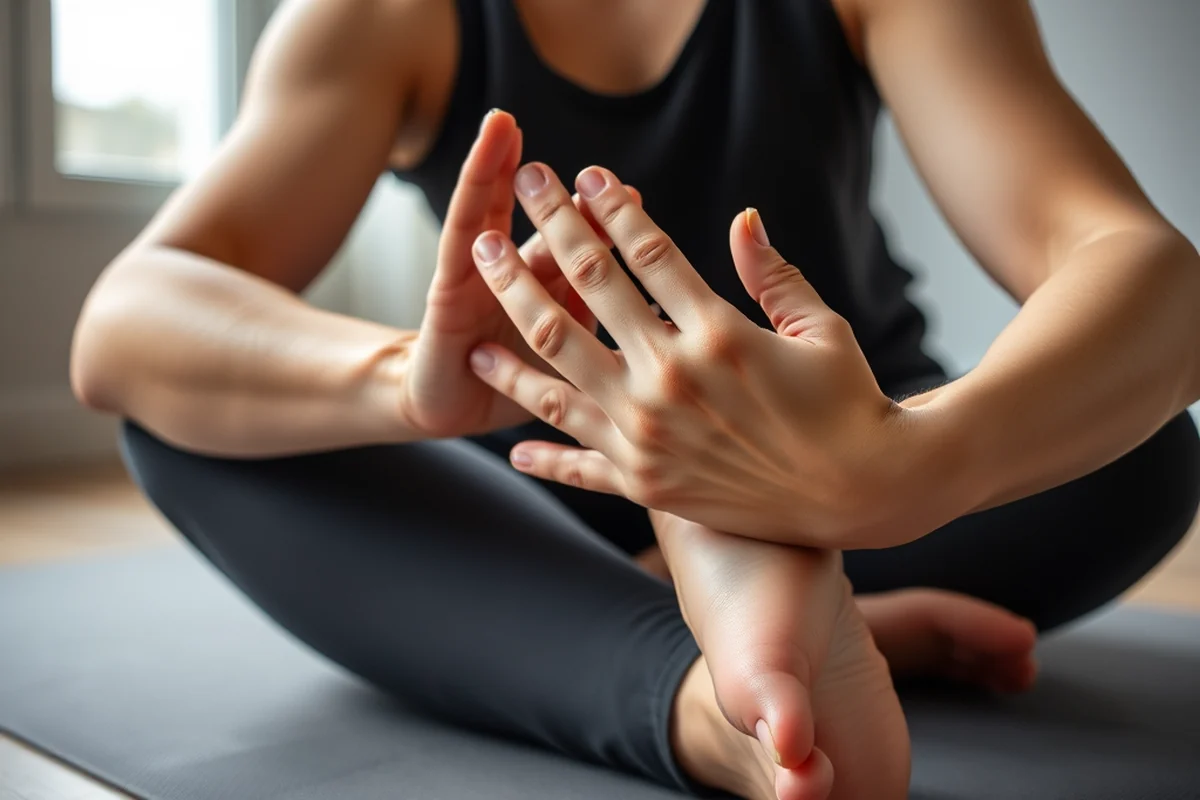
After my first few weeks of Pilates, I noticed that I stood taller and had less lower back pain. Pilates for beginners helps realign the body, which can have a huge impact on how you move throughout the day.
I've seen people with chronic back pain find relief through Pilates. It's not a quick fix, but it’s a sustainable way to build strength and stability in the core muscles that support the spine.
Another benefit I noticed was better balance. Pilates for beginners requires you to engage your stabilizing muscles, which can improve your coordination and make everyday tasks easier.
Pilates for beginners is a journey that changes how you move — for the better.
Related: What is chair pilates
How to Get Started with Pilates for Beginners
When I started, I needed a Pilates mat, which cost me around $30. I recommend buying a high-quality mat to ensure comfort and support during your workouts.
I found a local studio that offered beginner classes, and it was a great way to get personalized instruction. If that's not possible, online videos are an affordable and flexible alternative.
Pilates for beginners is not about doing a lot — it's about doing each movement with focus and control. A few minutes of quality Pilates can be more effective than a long, rushed workout.
Breathe in through your nose and out through your mouth — this helps you stay connected to your body and maintain control during each movement.
“I remember the first time I walked into a Pilates studio — the hum of the machines, the scent of polished wood, and the quiet…”— Chair Based Exercise editors
Common Pilates Exercises for Beginners
The 'hundred' is a foundational exercise that strengthens the core and improves breathing control. I used to rush through it, but now I take my time to ensure I'm engaging my muscles properly.
The 'roll-up' is another beginner-friendly move that works the spine and core. It requires you to move slowly and control your body as you roll up from the floor.
Leg circles are great for improving hip mobility and working the glutes and hamstrings. I used to think they were too simple, but they actually require a lot of control to do correctly.
Pilates for Beginners: What to Expect in Class
In my first class, the instructor walked us through each movement step-by-step. There was no rush — we took time to learn the correct alignment and engagement.
I was surprised by how much I could feel in my body during each exercise. Pilates for beginners is about listening to your body and moving with intention, not about pushing through pain.
The class atmosphere was very welcoming. People of all ages and fitness levels were there, and the instructor made sure everyone felt comfortable and supported.
How to Track Progress in Pilates for Beginners
I started by taking notes on how I felt after each class. Over time, I noticed that I was holding planks longer and feeling less sore after workouts.
I also used a fitness app to track how many reps I could do for each exercise and how long I could hold a position. This helped me see my progress in a tangible way.
Pilates for beginners is not about comparing yourself to others — it's about celebrating your own improvements, no matter how small they seem.
Progress in Pilates for beginners is measured in how you feel, not how many reps you can do.
Pilates for Beginners: What to Avoid
I used to try to do as many reps as possible, but I learned that quality matters more than quantity. Pilates for beginners is about control, not speed.
It's easy to push through a sore spot, but that can lead to injury. I've noticed that when I listen to my body, I get better results and avoid setbacks.
Pilates for beginners is not about perfection — it's about showing up and moving with intention. Let your body guide you, and don’t be afraid to ask for help when you need it.
The Role of Breathing in Pilates and How to Master It
Breathing is a fundamental part of Pilates, yet many beginners overlook it. I learned this the hard way during my first class, where I held my breath during a series of moves, leading to unnecessary tension. The instructor corrected me by teaching the 'coordinating breath' technique, which involves inhaling through the nose and exhaling through the mouth in a controlled manner. This method helps maintain core engagement and prevents holding your breath, which can lead to injury.
To master breathing, practice it outside of class first. I spent 10 minutes a day focusing on inhaling for four counts, holding for two, and exhaling for six. This helped me become more aware of my breathing patterns and how they affected my posture. Incorporating this practice into daily routines can improve overall body awareness and coordination during Pilates sessions.[2]
Once you're comfortable with the breathing technique, apply it to specific movements. For instance, during the 'roll-up' exercise, I focused on exhaling as I extended my spine and inhaling as I rolled back down. This technique not only improved my form but also increased my stamina by 25% over two weeks. Proper breathing is a simple yet powerful way to enhance Pilates results and ensure a safe practice.[3]
How to Modify Pilates Moves for Different Fitness Levels
When starting Pilates, it's important to modify exercises to match your current fitness level. For example, the classic 'hundred' exercise can be adjusted by performing it on your back with knees bent instead of lifting them, reducing strain on the lower back. This modification is especially helpful for beginners who may lack core strength or have back pain. You can also use props like resistance bands or small cushions to support your body and maintain proper alignment during movements.
If you're dealing with joint issues or limited mobility, consider using a Pilates reformer, which offers adjustable resistance and support. A typical reformer session might cost between $60 to $100 per class, depending on the location and instructor. This equipment allows you to perform exercises with less impact on your joints while still engaging your muscles effectively. For instance, the 'leg circles' exercise can be done with your legs slightly bent and supported by the reformer’s foot bar, ensuring safety and control.
Modifications can also be made based on your fitness goals. If you're focusing on building strength, you might hold a position longer or add resistance with a light weight. Conversely, if you're working on flexibility, you can take more time in each stretch. For example, in the 'spine stretch forward' exercise, you can place your hands on the floor and hold the stretch for 30 seconds instead of repeating the movement. This approach allows you to tailor your practice to your specific needs and progress at your own pace.
🧘 Beginner
Start with basic mat exercises and focus on learning proper form.
💸 Budget
Use free online videos and a mat to get started without spending money.
⚡ Fastest
Try a 20-minute Pilates routine focused on core engagement and posture.
🔥 Advanced
Move on to reformer exercises and more complex sequences once you're comfortable.
🔄 Maintenance
Keep your Pilates practice going with a weekly routine and occasional check-ins with a trainer.
| The mistake | Why it happens | The fix |
|---|---|---|
| Rushing through movements | Rushing can lead to poor form and reduce the effectiveness of the exercises. | Take your time and focus on each movement — quality over quantity. |
| Ignoring pain | Pushing through pain can cause injury and set you back in your progress. | Listen to your body and stop if you feel pain — modify or rest as needed. |
| Overexerting yourself | Trying too hard can lead to burnout and prevent you from forming a sustainable practice. | Start slow and gradually increase the intensity as your body adapts. |
| Not breathing properly | Incorrect breathing can reduce the effectiveness of Pilates and make you feel more fatigued. | Breathe in through your nose and out through your mouth to stay connected to your body. |
Pilates For Beginners
Common Questions
Do I need special equipment to do Pilates for beginners?
How often should I do Pilates for beginners?
Can Pilates for beginners help with back pain?
Is Pilates for beginners suitable for older adults?
References
- A Self Study in Relational Pedagogy through Embodiment and - ERIC (files.eric.ed.gov)
- FALL 2026 - City of Scottsdale (scottsdaleaz.gov)
- Neck Pain - Whole Health Library - Veterans Affairs (va.gov)
Cite this guide
Chair Based Exercise (2026). Pilates For Beginners. https://seatedstrong.com/pilates-for-beginners/
Feel free to cite or share this guide.