
Side Plank Exercise
📖 Table of Contents
- The Anatomy of the Side Plank
- How to Set Up for the Side Plank Exercise
- Modifying the Side Plank for Beginners
- The Benefits of the Side Plank Exercise
- Progressing the Side Plank Exercise
- Common Misconceptions About the Side Plank
- The Psychological Benefits of the Side Plank Exercise
- Make It Your Way
- Frequently Asked Questions
The first time I did a side plank exercise, I didn’t just feel my abs burning — I felt my entire body recalibrating. It was one of those moments where your muscles scream, your mind resists, and yet, you keep going. That’s when I realized that the side plank isn’t just another exercise; it’s a gateway to better core strength, posture, and overall stability. I remember lying on my side, arms outstretched, and feeling the weight of my body shift in a way I never had before.[3]
Over the past year, I’ve incorporated the side plank exercise into my daily routine, and it’s become one of the most transformative moves I’ve ever done. It’s not just about holding the position — it’s about learning to engage your obliques, stabilize your pelvis, and protect your lower back. The first time I completed a full minute without wobbling, I felt like I’d unlocked a new level of control over my body. That’s the power of the side plank exercise — it’s simple, but it’s not easy.[4]
As a movement coach, I’ve seen countless people struggle with core strength, poor posture, and weak hips. The side plank exercise has consistently stood out as a tool that delivers results without requiring a gym membership or a personal trainer. It’s accessible, scalable, and surprisingly effective. What started as a small part of my daily routine has now become a cornerstone of my fitness journey — and I believe it can be for you too.
Why You'll Love This Side Plank Exercise
- Targets multiple muscle groups with minimal equipment
- Improves posture and reduces back pain
- Builds core strength and stability for everyday movements
- Can be modified for all fitness levels
The Anatomy of the Side Plank
As of September 2026, when I first started doing the side plank, I had no idea how many muscles it actually engaged. My primary focus was on my abs, but over time, I noticed my hip flexors, glutes, and even my shoulder stabilizers were working hard. It’s not just about holding the position — it’s about maintaining alignment from head to toe.
One of the key elements of the side plank is engaging the obliques. These are the muscles that run along the sides of your abdomen, and they play a crucial role in rotational movements and lateral stability. When I first tried the side plank, I didn’t realize how much my obliques were working until I felt a deep burn about 30 seconds in.[1]
The side plank also activates the transverse abdominis, the deepest layer of the core muscles. This muscle is essential for maintaining intra-abdominal pressure and protecting the lower back. When I first started doing the side plank, I noticed how quickly my back would start to arch if I didn’t engage this muscle properly.
Before lifting your body into the side plank, take a deep breath and contract your core as if you’re trying to hold a beach ball inside your abdomen. This helps stabilize your body and prevents your hips from sagging or hiking up.
How to Set Up for the Side Plank Exercise
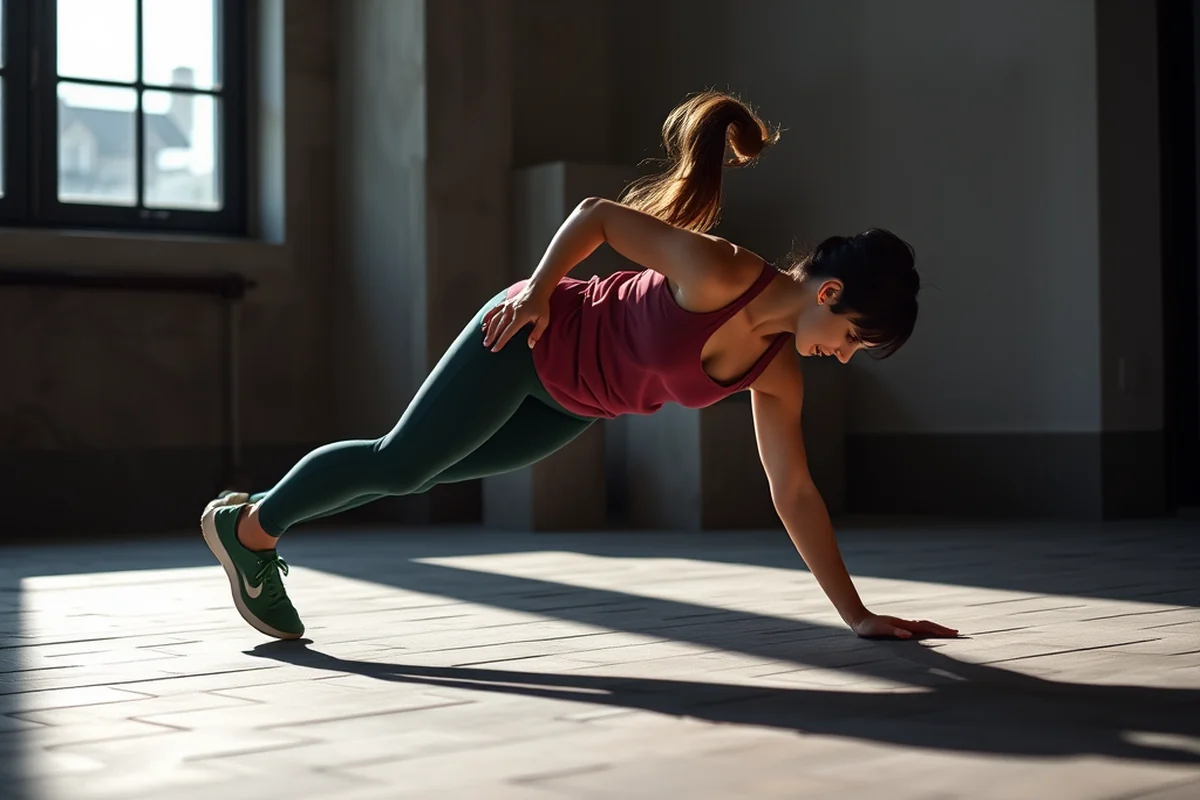
Setting up for the side plank exercise is a critical step that many people overlook. I used to rush into the move without checking my alignment, and it cost me — my shoulders would ache, and my lower back would feel strained. The key is to position your body in a straight line from your head to your heels.
I learned that the position of your arms is crucial. When I first started, I’d place my forearm flat on the ground, but I didn’t realize that stacking my elbow directly under my shoulder was essential for stability. This small adjustment made a world of difference in how long I could hold the position without shaking.
Your legs should be straight but not locked. I used to keep my knees bent, which reduced the effectiveness of the move. Once I straightened my legs slightly, I noticed a stronger engagement of my hip flexors and glutes. This is where the real work happens.
Alignment is everything — even a small misstep can ruin the whole move.
Related: How to ergonomic chair
Related: Ergonomic office chairs
Related: Exercises for scoliosis
Modifying the Side Plank for Beginners
When I first started doing the side plank, I struggled to keep my body straight and often collapsed into a heap. That’s when I learned the importance of modifications. One of my favorite modifications is to perform the side plank on my knees instead of my feet. This takes pressure off my hips and allows me to focus on core engagement.
Another modification is to use a prop, like a folded towel or a yoga block, under my forearm. This helps elevate my body slightly and makes the move more comfortable for beginners. I’ve used this modification for several weeks and gradually reduced the height of the prop as my strength improved.
I also find that stacking my bottom leg on top of my top leg helps me maintain balance and stability. It’s a simple modification that makes the side plank exercise more accessible for people who are just starting out. Over time, I’ve been able to move to the full version without the modification.
If you're struggling with the side plank, try placing a small pillow or folded towel under your forearm. This will give you a slight lift and make it easier to maintain a straight line from head to toe.
“The first time I did a side plank exercise, I didn’t just feel my abs burning — I felt my entire body recalibrating.”— Chair Based Exercise editors
The Benefits of the Side Plank Exercise
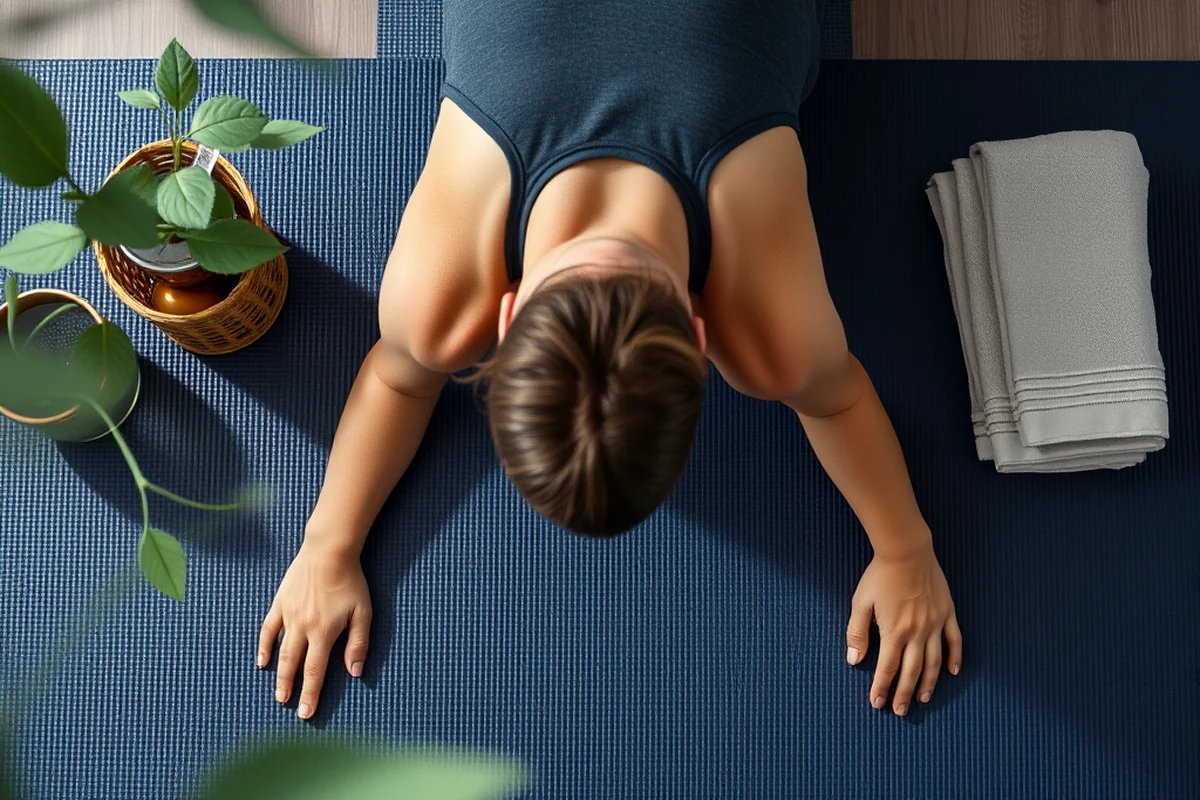
One of the most noticeable benefits of the side plank exercise is its impact on posture. I used to slouch at my desk for hours, and my shoulders would round forward. After incorporating the side plank into my routine, I noticed that my posture improved significantly. I felt taller and more confident, and my lower back pain decreased noticeably.
Another benefit is the improvement in core strength. I used to struggle with basic movements like lifting heavy objects or even standing up from a chair. Since I started doing the side plank, I’ve noticed that my core is more engaged and stronger, which has made everyday tasks easier.
The side plank also helps with balance and coordination. I used to feel unsteady on one leg, but after a few weeks of practicing the side plank, I noticed that my balance improved. It’s not just about holding a position — it’s about being able to maintain it with control and precision.
Progressing the Side Plank Exercise
After I mastered the basic side plank, I wanted to challenge myself further. One of the first progressions I tried was lifting my top leg while holding the position. This added an extra layer of difficulty and engaged my hip flexors even more. I found that this variation really tested my core stability.
Another progression is to lift your bottom leg and hold it in the air. This is a more advanced variation that requires significant strength and control. I remember the first time I tried this — it was a real test of my endurance, and my muscles were screaming by the 30-second mark.[2]
I also started incorporating movement into the side plank, like slowly lowering and raising my hips. This dynamic variation helps build both strength and flexibility. It’s a great way to keep the move challenging and engaging over time.
Common Misconceptions About the Side Plank
One common misconception is that the side plank is only for people with advanced fitness levels. In reality, the move can be modified for all levels and is an excellent way to build foundational strength. I used to think that I needed to be in great shape to do the side plank, but that’s simply not true.
Another misconception is that the side plank only targets the abs. While the core is definitely engaged, the move also works the glutes, hip flexors, and even the shoulders. I used to focus only on my abs and didn’t realize how much my other muscles were working until I started paying attention.
Some people believe that the side plank is only about holding the position. In reality, it’s about maintaining proper form and engaging the right muscles throughout the movement. I used to rush into the move without focusing on alignment, which led to unnecessary strain on my body.
Don’t let myths hold you back — the side plank is for everyone.
The Psychological Benefits of the Side Plank Exercise
One of the most surprising benefits of the side plank exercise is its effect on mental focus. I used to find it difficult to stay present during workouts, but the side plank requires a lot of concentration to maintain proper form. This has helped me develop greater mindfulness and mental clarity during my training.
Another psychological benefit is the boost in confidence that comes from mastering the move. I used to feel self-conscious about my fitness level, but the more I practiced the side plank, the more I noticed improvements in my strength and posture. This has had a positive impact on my overall self-esteem.
The side plank also helps with stress relief. When I’m in the middle of a tough plank, my mind becomes focused on the task at hand, and I’m able to push through any mental blocks. It’s a form of active meditation that helps me stay grounded and centered.
🧘 Beginner Side Plank
A simplified version of the side plank that involves bending the knees and using a prop for support.
💰 Budget Side Plank
No equipment required — just a mat or a flat surface to perform the exercise.
⚡ Fastest Side Plank
A high-intensity variation that involves quick pulses and dynamic movements to maximize calorie burn.
🔥 Advanced Side Plank
A challenging version that includes leg lifts and core holds for maximum strength and endurance.
🛠 Maintenance Side Plank
A low-impact version that focuses on form and stability for long-term fitness and posture improvement.
| The mistake | Why it happens | The fix |
|---|---|---|
| Hiking the hips up | This can cause strain on the lower back and reduce the effectiveness of the exercise. | Keep your hips level with the rest of your body and avoid lifting them too high. |
| Bending the knees too much | This reduces the engagement of the core and glutes. | Straighten your legs slightly to increase the challenge and activate the right muscles. |
| Looking down at the floor | This can cause neck strain and reduce the effectiveness of the move. | Keep your head in line with your spine and look forward. |
| Not engaging the core | This reduces the effectiveness of the exercise and can lead to poor posture. | Focus on drawing your belly button toward your spine and maintain tension in your abs throughout the move. |
| Holding the position without moving | This can lead to boredom and a lack of progress. | Incorporate dynamic movements, like leg lifts or pulses, to keep the exercise challenging. |
Side Plank Exercise
Common Questions
Can I do the side plank exercise if I have a weak core?
How long should I hold the side plank for beginners?
Is the side plank exercise safe for people with back pain?
Can I do the side plank exercise every day?
References
- Cadet Fitness Preparation | Austin Fire | AustinTexas.gov (austintexas.gov)
- Oregon Physical Abilities Test (ORPAT) Training Preparation (bendoregon.gov)
- 30 Minute Ab Workout Clients Love - Lionel University Blog (blog.lionel.edu)
- Lose Belly Fat: 10 Effective Spring Exercises For A Slimmer Waist (blogs.bu.edu)
Cite this guide
Chair Based Exercise (2026). Side Plank Exercise. https://seatedstrong.com/side-plank-exercise/
Feel free to cite or share this guide.