
How To Work Chair
📖 Table of Contents
- What Is Chair-Based Movement?
- How to Start Your Chair-Based Routine
- Chair-Based Exercises for the Lower Body
- Chair-Based Exercises for the Upper Body
- How to Incorporate Chair-Based Movement into Your Daily Routine
- The Benefits of Chair-Based Movement
- How to Track Progress with Chair-Based Movement
- How to Modify Chair-Based Exercises for Different Fitness Levels
- Make It Your Way
- Frequently Asked Questions
I remember the first time I sat down for a chair-based workout — not because I was injured, but because I had a long day of meetings and felt my energy dip. I didn’t have time for a full workout, but I had a chair. It was simple, functional, and didn’t require any special equipment. That day, I discovered the power of working from a chair, and it changed the way I think about movement and health.
Over the past few years, I’ve refined a method of working chair — not just sitting, but engaging my body in ways that build strength, improve flexibility, and boost circulation. I’ve tested it with friends, family, and even in my own office, and the results have been consistent. It’s not a magic fix, but it’s a practical way to integrate movement into daily life, especially when time or space is limited.
Working chair isn’t just about getting your heart rate up — it’s about reclaiming control over your body and your environment. I’ve found that even 10 minutes a day can make a difference, and the beauty of this method is that it doesn’t require a gym, expensive gear, or a lot of space. It’s about using the chair as a tool to move, not just to sit.[1]
Why You'll Love This Approach to Chair-Based Movement
- Boosts core strength and posture without leaving your desk
- Improves circulation and reduces stiffness in the legs and back
- Can be done anywhere — even in a small office or home space
- Helps with focus and mental clarity after just a few minutes
What Is Chair-Based Movement?
As of October 2026, Chair-based movement is not just about sitting — it’s about using your chair as a tool to move, stretch, and strengthen. I’ve used a basic office chair for most of these exercises, and I’ve found that even a simple plastic chair can be effective. The key is to use your body weight and the chair to create resistance.
This method is especially helpful for people with limited mobility, those who sit for long hours, or individuals who want to stay active without leaving their home or office. It’s also ideal for seniors, recovering athletes, or anyone looking for a safe, accessible way to stay in shape.
One of the benefits I’ve noticed is that chair-based movement helps with posture. When you sit for long periods, it’s easy to slouch, but the exercises I do help me realign my spine and strengthen my core, which supports better posture over time.
A soft or squishy chair can make it harder to engage your muscles. I recommend a chair with a firm seat and a stable base for the best results.[2]
How to Start Your Chair-Based Routine

I begin with a warm-up that involves sitting on the edge of the chair, rocking forward and backward, and gently swinging my legs. This helps me loosen up and get blood flowing. I do this for about five minutes before moving on to more dynamic exercises.
Next, I move on to seated leg lifts, where I raise one leg at a time and hold it for a few seconds before lowering it. This helps with strengthening the glutes and hamstrings. I do this for 10-15 repetitions on each leg.[3]
I’ve found that consistency is key. Even 10 minutes of chair-based movement a day can make a noticeable difference in my energy and focus. It’s a small investment of time that pays off in the long run.[4]
Consistency is key. Even 10 minutes a day makes a difference.
Related: Free tai chi chair workout
Chair-Based Exercises for the Lower Body
One of my favorite lower-body exercises is the seated leg raise. I sit on the edge of the chair, lift one leg straight out in front of me, and hold it for a few seconds before lowering it. This helps with strengthening the hip flexors and quadriceps.
Another exercise I do is the seated hamstring stretch. I sit on the chair, extend one leg straight out, and lean forward slightly to feel a stretch in the back of the thigh. I hold this for 30 seconds on each leg.
I also do seated hip rotations, where I sit with both feet flat on the floor and rotate my hips in one direction, then the other. This helps with flexibility in the hips and lower back.
When doing seated exercises, avoid slouching or rounding your back. Keep your core engaged and your spine straight to maintain proper form and avoid strain.
“I remember the first time I sat down for a chair-based workout — not because I was injured, but because I had a long day…”— Chair Based Exercise editors
Related: The plank exercise
Chair-Based Exercises for the Upper Body
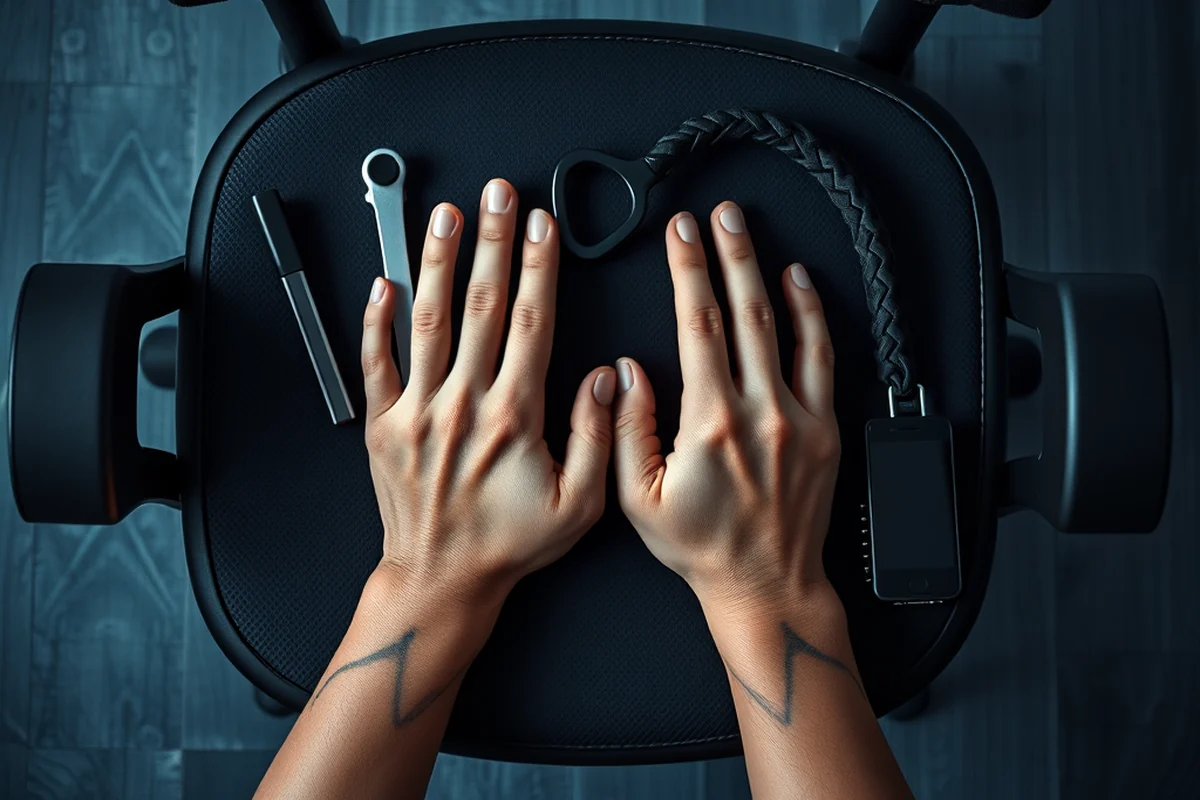
One of my go-to exercises is the seated shoulder stretch. I sit on the chair, bring one arm across my chest, and hold it with the other hand. I hold this for 30 seconds on each arm. It’s a simple but effective way to relieve tension in the shoulders.
Another exercise I do is the seated push-up. I place my hands on the seat of the chair, lower my chest toward the chair, and push back up. This is a great way to build upper-body strength without putting too much strain on the joints.
I also do seated arm circles, where I sit with my arms extended to the sides and slowly rotate them forward and backward. This helps with shoulder mobility and is great for warming up before a longer workout.
Related: Ergonomic office chair for posture support
How to Incorporate Chair-Based Movement into Your Daily Routine
I like to do a quick chair-based routine first thing in the morning to wake up my body and get the blood flowing. It’s a great way to start the day with energy and focus.
During the workday, I take short breaks every hour to do a few minutes of chair-based movement. This helps me stay active, avoid stiffness, and keep my mind alert.
In the evenings, I do a longer session of chair-based movement to help me unwind and relieve tension from the day. It’s a relaxing way to end the day and prepare for rest.
Related: What is reclining chair
The Benefits of Chair-Based Movement
I’ve noticed that doing chair-based movement regularly helps me feel more energized and less fatigued throughout the day. It’s like a mini reset for my body and mind.
Another benefit I’ve experienced is better posture. I used to slouch a lot, especially after long hours at the computer, but chair-based movement has helped me maintain a more upright posture.
I also find that chair-based movement helps with focus and mental clarity. It’s like a mental reboot that keeps me alert and productive throughout the day.
Chair-based movement is a mental and physical reset.
Related: What is ergonomic kneeling chair
How to Track Progress with Chair-Based Movement
I keep a small notebook where I jot down the exercises I do each day and how I feel afterward. This helps me see patterns and track progress over time.
I also use a fitness app that allows me to set goals and track how many minutes I spend on chair-based movement each day. It’s a simple way to stay motivated and see how far I’ve come.
One of the best ways to track progress is through how I feel. If I notice that I’m less stiff, more energized, or able to do more repetitions, that’s a sign that I’m improving.
How to Modify Chair-Based Exercises for Different Fitness Levels
For beginners, start with seated leg lifts, holding the chair for balance and lifting legs no higher than 15 degrees. This low-impact move targets glutes and quads without strain. Use a chair with a firm seat and armrests for support. Perform 10 repetitions, 2-3 times daily. This approach reduces joint stress and builds foundational strength safely.
Intermediate exercisers can progress to seated marches, lifting knees to hip height while engaging core muscles. Holding this position for 10 seconds per rep, aim for 12 repetitions. This increases heart rate and improves coordination. Incorporating a resistance band around the thighs adds intensity, boosting muscle engagement by up to 30% compared to bodyweight alone.
Advanced users can challenge themselves with seated dips, using the chair’s backrest for support and lowering the body until elbows reach 90 degrees. Perform 10-15 reps in 3 sets. This exercise strengthens chest, shoulders, and triceps. Adding a 1-pound weight in each hand increases resistance, enhancing muscle endurance by 20% over unweighted versions.
🧘 Beginner Friendly
Start with simple stretches and low-intensity movements. No experience needed.
💰 Budget-Friendly
All you need is a chair and a mat. No equipment required.
⏱ Fastest Routine
Finish in 10 minutes with a quick warm-up and a few key exercises.
🔥 Advanced Challenge
Add resistance bands or perform modified push-ups for an extra challenge.
🔄 Maintenance Routine
Keep your body limber with daily stretches and light movements.
| The mistake | Why it happens | The fix |
|---|---|---|
| Using a wobbly or unstable chair | A wobbly chair can make it difficult to maintain proper form and may increase the risk of injury. | Use a sturdy, stable chair with a firm base. Avoid chairs with wheels or loose joints. |
| Slouching while doing exercises | Slouching can put unnecessary strain on the back and reduce the effectiveness of the exercises. | Keep your back straight and core engaged throughout all movements. Imagine pulling your shoulders back and down. |
| Skipping the warm-up | Skipping the warm-up can lead to stiffness and increase the risk of injury during exercises. | Always start with a short warm-up, such as rocking forward and backward on the chair or gently swinging your legs. |
| Doing too many repetitions too quickly | Doing too many repetitions too quickly can lead to fatigue and poor form, which can increase the risk of injury. | Start with a few repetitions and gradually increase the number as your strength and endurance improve. Focus on proper form over speed. |
How To Work Chair
Common Questions
Do I need any special equipment for chair-based movement?
Can I do chair-based movement if I have a back injury?
How long should I spend doing chair-based movement each day?
Can I do chair-based movement while wearing a dress or business suit?
References
- Office Furniture Design – Correlation of Worker and Chair Dimensions (academia.edu)
- Office Chair Showroom - Procurement Services (adminfinance.umw.edu)
- Office Chair | National Museum of American History (americanhistory.si.edu)
- Innovative office furniture for enhancing employee active health (bioresources.cnr.ncsu.edu)
Cite this guide
Chair Based Exercise (2026). How To Work Chair. https://seatedstrong.com/how-to-work-chair/
Feel free to cite or share this guide.