
What Is Chair Aerobics
📖 Table of Contents
- What Exactly Is Chair Aerobics, and How Does It Work?
- Chair Aerobics for Seniors: A Game-Changer for Mobility
- How to Get Started With Chair Aerobics at Home
- Chair Aerobics for People With Mobility Issues or Chronic Pain
- The Benefits of Chair Aerobics for Mental Health
- Chair Aerobics as a Way to Stay Active During Recovery
- Chair Aerobics for People with Limited Space or Time
- Make It Your Way
- Frequently Asked Questions
I remember the first time I tried chair aerobics, sitting in my living room with a towel on the floor and a chair from the kitchen. At 52, I was out of shape and afraid to go to the gym, but I wanted to move in a way that felt safe and accessible. Chair aerobics was the answer — a full-body workout that didn’t require a gym membership, fancy equipment, or even a lot of space. I was skeptical at first, but after a few minutes, my heart rate was up, my shoulders were engaged, and I felt like I was actually doing something. That’s what chair aerobics is: an inclusive, low-impact form of exercise that uses a chair as a tool for support, balance, and movement.[1]
What is chair aerobics, you ask? It’s a type of exercise that uses a chair as a prop to perform a variety of movements, from seated stretches to standing lunges and even light weightlifting. It’s perfect for people who are new to exercise, recovering from an injury, or simply looking for a way to stay active without putting too much strain on their joints. I’ve done chair aerobics in my apartment, in a senior center, and even in a hospital room, and each time it felt different but effective. Whether you’re in a wheelchair or standing, chair aerobics is adaptable and customizable to your needs and abilities.
For me, chair aerobics has become more than just a workout — it’s a way to stay connected with my body and my environment. I use a folding chair, but I know others use office chairs, stools, or even a bench. The key is that the chair is a stable, supportive surface that allows you to move safely. What I love most about chair aerobics is that it gives me a sense of control over my fitness journey, and that makes all the difference. That’s what chair aerobics is: a practice that’s gentle, empowering, and accessible to almost anyone who wants to move better.
Why You'll Love This Low-Impact, Chair-Based Approach to Fitness
- Gentle on joints, making it ideal for older adults or those with mobility issues
- Requires no equipment beyond a chair, so it's easy to start at home or in a community setting
- Improves flexibility, balance, and strength without the risk of falling
- Can be adapted to almost any fitness level and physical ability
What Exactly Is Chair Aerobics, and How Does It Work?
As of September 2026, Chair aerobics works by using a chair as a platform for seated or standing movements. You can perform a wide variety of exercises, from seated arm circles and leg lifts to standing lunges and torso twists. The chair acts as a stabilizer, helping you maintain balance and control while you move.
I’ve used a chair to do seated push-ups, leg lifts, and even light resistance training with a small weight. The chair can help you get into the right position for each movement and can even be used as a support when standing up or sitting down. This makes chair aerobics particularly beneficial for older adults or anyone with joint pain.
What’s great about chair aerobics is that it can be done anywhere — in your home, at a community center, or even in a hospital. You don’t need any special equipment, and the exercises can be modified to your fitness level and physical ability. Chair aerobics is a form of exercise that’s both functional and fun.
Make sure your chair is sturdy and has a firm base. Avoid using wobbly or overly flexible chairs, as they can make it difficult to maintain balance.
Chair Aerobics for Seniors: A Game-Changer for Mobility

I’ve worked with several seniors who have found chair aerobics to be a life-changing form of exercise. One of my favorite exercises for seniors is the seated arm raise, which helps strengthen the upper body while keeping the legs still. This is a great way to build strength without putting strain on the lower body.
Another exercise that seniors love is the chair twist. You sit with your back to the chair, hold the back of the chair with both hands, and slowly twist your torso from side to side. This helps improve flexibility and core strength while keeping the body stable.
Chair aerobics also helps seniors with balance and coordination. One of my favorite exercises for balance is the 'step-up' — standing on one leg and then stepping back onto the chair. This helps strengthen the legs and improve balance in a safe and controlled way.
Chair aerobics is a safe, effective way for seniors to stay strong and mobile.
Related: What is an ergonomic office chair
How to Get Started With Chair Aerobics at Home
To get started with chair aerobics at home, find a sturdy chair and a clear space on the floor. I usually use a folding chair, but a dining chair or a stool will work just as well. Make sure the floor is even and free of obstacles to avoid tripping or falling.
Once you have your chair set up, you can begin with some simple seated stretches. One of my favorites is the seated forward bend — sit on the chair with your legs straight in front of you and reach toward your toes. This helps stretch the hamstrings and lower back.
If you’re new to chair aerobics, start with a few minutes of gentle movements and gradually increase the time and intensity. Don’t push yourself too hard, and always listen to your body. Chair aerobics is about progress, not perfection.
If you’re new to chair aerobics, start with gentle movements and focus on form and control. Avoid pushing too hard or moving too quickly, especially if you’re not used to exercising.
“I remember the first time I tried chair aerobics, sitting in my living room with a towel on the floor and a chair from the…”— Chair Based Exercise editors
Related: Tai chi chair workout
Chair Aerobics for People With Mobility Issues or Chronic Pain
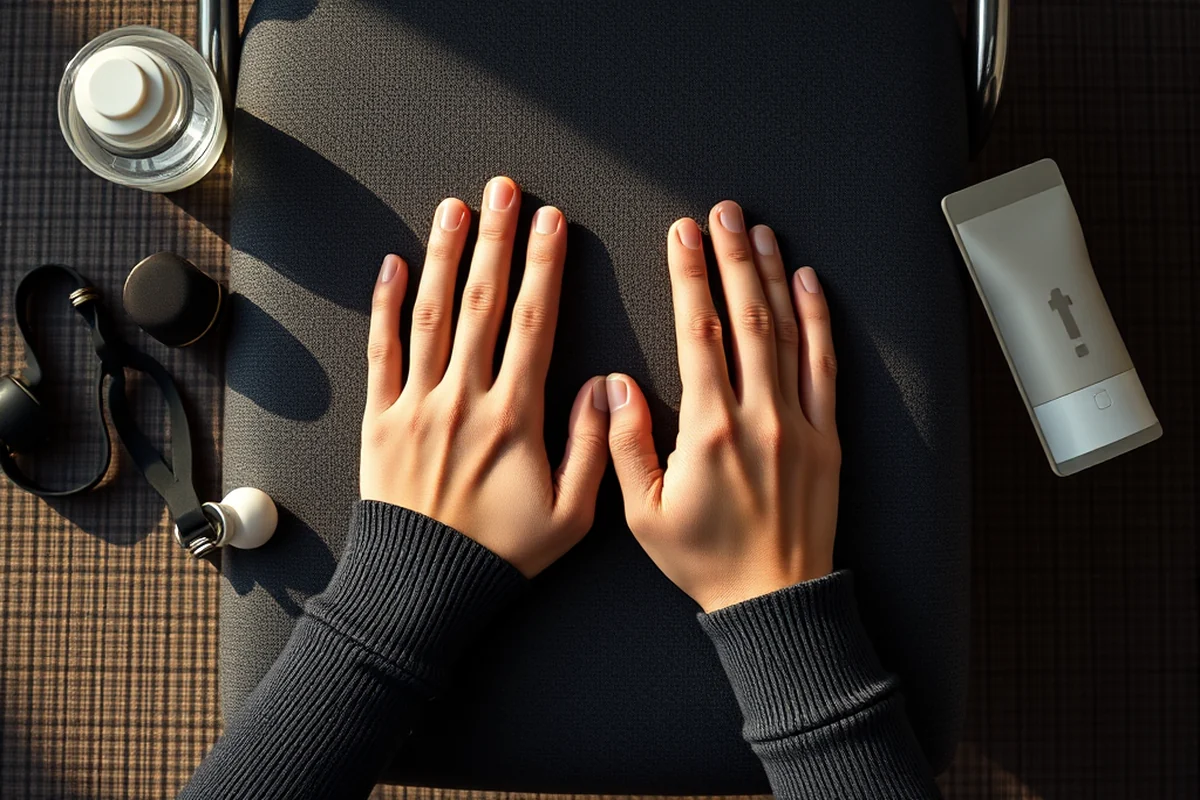
For people with mobility issues or chronic pain, chair aerobics can be a safe and effective way to stay active. One of the most beneficial exercises for this group is the seated leg lift. Sit on the chair with your back straight, lift one leg slowly off the floor, and hold for a few seconds before lowering it back down.
Another great exercise for people with mobility issues is the chair-supported standing movement. You can use the chair to support yourself as you stand up and sit back down. This helps improve balance and strength while reducing the risk of falling.
Chair aerobics is also great for people with chronic pain, as it allows them to move in a way that’s gentle on the body. The chair acts as a support, making it easier to perform movements without exacerbating pain or discomfort.
Related: What is a spinning chair
The Benefits of Chair Aerobics for Mental Health
One of the most surprising benefits of chair aerobics is its impact on mental health. I’ve noticed that after a session of chair aerobics, I feel more energized and less stressed. The gentle movements and focus on breathing help calm the mind and reduce anxiety.
Chair aerobics can also be a great way to improve mood and reduce feelings of isolation. When I do chair aerobics at home, I feel like I’m taking care of myself, and that gives me a sense of accomplishment. It’s a small but powerful way to boost self-esteem.
Another benefit of chair aerobics is that it can help improve sleep. The gentle exercise helps tire the body without being too intense, making it easier to fall asleep and stay asleep. I’ve noticed that I sleep better after doing chair aerobics, and that makes a big difference in how I feel during the day.
Related: How to exercise on a chair
Chair Aerobics as a Way to Stay Active During Recovery
During my recovery from a knee injury, chair aerobics was a game-changer. I was unable to walk or do traditional exercises, but I could still move my arms and legs in a controlled way using a chair. One of the most helpful exercises was the seated arm circles, which helped keep my upper body strong and active.
Chair aerobics is also great for people recovering from surgery, as it allows them to stay active without overexerting their body. The chair provides support and stability, making it easier to perform movements without risking further injury.
What I love about chair aerobics during recovery is that it gives me a sense of control and purpose. I feel like I’m still doing something, even if it’s not the same as before. It helps me stay positive and motivated during the healing process.
Chair aerobics is a low-impact way to stay active and maintain strength during recovery.
Related: What is a roman chair for exercise
Chair Aerobics for People with Limited Space or Time
One of the best things about chair aerobics is that it doesn’t require a lot of space. You can do it in a small room, a hallway, or even a corner of your living room. I’ve done chair aerobics in my apartment, and it only takes up a few feet of space.
Chair aerobics is also great for people with limited time, as it can be done in short sessions. I usually do 10-15 minutes of chair aerobics a few times a week, and that’s enough to keep me active and feeling good.[2]
What’s great about chair aerobics is that it doesn’t require any special equipment or a gym membership. All you need is a chair and a few minutes of your time. That makes it an ideal option for people who are busy or don’t have access to a gym.
🧘 Beginner Chair Aerobics
A gentle introduction to chair aerobics with simple movements that focus on balance and flexibility.
💰 Budget-Friendly Chair Aerobics
A no-cost or low-cost approach to chair aerobics that requires only a chair and a small amount of space.
⚡ Fastest Chair Aerobics
A quick, high-intensity session of chair aerobics that can be done in 10-15 minutes.
🔥 Advanced Chair Aerobics
A more challenging version of chair aerobics that includes resistance training and more complex movements.
🔄 Maintenance Chair Aerobics
A low-impact, ongoing routine that helps maintain strength and mobility over time.
| The mistake | Why it happens | The fix |
|---|---|---|
| Using an unstable or wobbly chair | Using a wobbly chair can make it difficult to maintain balance and may increase the risk of falling during exercises. | Choose a chair with a firm base and four stable legs to ensure safety and stability during movements. |
| Pushing too hard or moving too quickly | Pushing too hard or moving too quickly can cause injury and may lead to pain or discomfort. | Start with gentle movements and focus on form and control. Avoid pushing too hard, especially if you’re new to chair aerobics. |
| Ignoring proper posture and alignment | Poor posture and alignment can reduce the effectiveness of the exercises and may lead to injury. | Make sure to sit up straight and keep your back against the chair during exercises. Focus on maintaining good posture and alignment throughout each movement. |
| Doing chair aerobics in a cluttered or unsafe space | Doing chair aerobics in a cluttered or unsafe space can increase the risk of tripping or falling. | Make sure to do chair aerobics in a clear, safe space with no obstacles. Avoid doing it near sharp objects or furniture that could cause injury. |
What Is Chair Aerobics
Common Questions
What kind of chair should I use for chair aerobics?
How long should I do chair aerobics each day?
Can chair aerobics help with weight loss?
Is chair aerobics suitable for people with chronic pain?
References
- Course:- ONLN-Chair Aerobics - Anne Arundel Community College (aacc.edu)
- Group Fitness Classes! - Senior Center - Elizabeth City, NC (elizabethcitync.gov)
Cite this guide
Chair Based Exercise (2026). What Is Chair Aerobics. https://seatedstrong.com/what-is-chair-aerobics/
Feel free to cite or share this guide.